
Dr. Cafferky’s Orthopaedic Blog & News
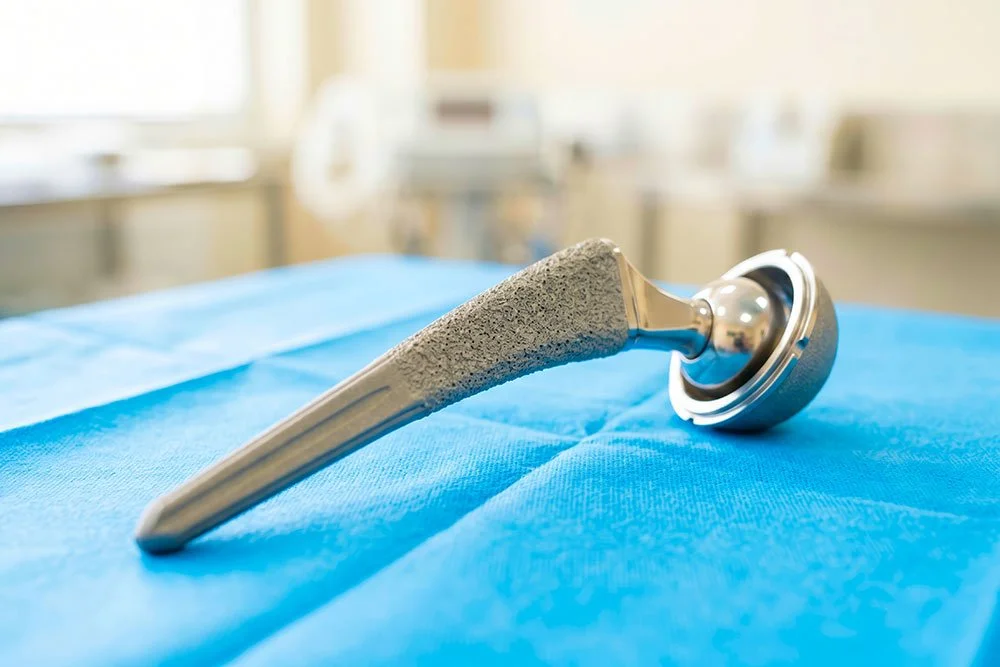
How Common Is Metal Allergy After Knee or Hip Replacement?
Many patients preparing for joint replacement wonder whether they could have an allergic reaction to their implant. It's a reasonable question, especially for people who have experienced skin reactions to jewelry, watches, or belt buckles.
Fortunately, a knee replacement allergy or hip replacement allergy is considered rare. Most patients tolerate modern joint replacement implants extremely well and go on to enjoy years of improved mobility and pain relief.

Sleeping on Your Back After Knee Replacement: Pros and Cons
One of the most common questions patients ask after surgery has nothing to do with walking or physical therapy, it's how to get a good night's sleep.
Disrupted sleep is extremely common during the first several weeks of recovery. Swelling, stiffness, and finding a comfortable position can make sleeping after knee replacement more challenging than expected.

Is My Knee Replacement Failing? Early Warning Signs
"The vast majority of knee replacements function extremely well for many years," says Dr. Nathan Cafferky. "When symptoms change or become persistent, it's important to determine why."
Recognizing a failing knee replacement early allows your orthopedic surgeon to identify the cause and recommend the most appropriate treatment.

What Runners with Arthritis Should Know Before Knee Replacement
For many runners, slowing down is harder than dealing with pain.
It's common for athletes to adjust mileage, skip hills, or rely on braces and injections long before they ever consider knee replacement. But when arthritis starts affecting everyday activities — not just running — it may be time to explore your options.
According to Dr. Nathan Cafferky, joint replacement specialist at The Steadman Clinic, the decision to proceed with surgery isn't based solely on imaging.
"We treat patients, not X-rays," says Dr. Cafferky. "The most important question is how much the knee is limiting your life."
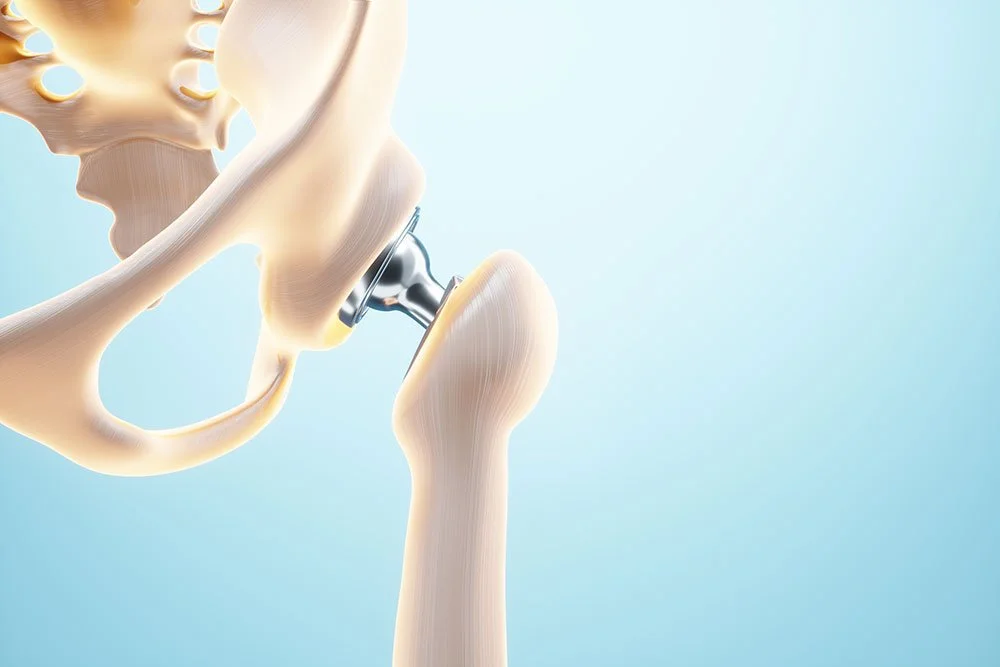
Partial vs. Total Hip Replacement: Key Differences Patients Often Miss
When patients first learn they may need hip surgery, one of the most common questions they ask is whether they need a partial hip replacement or a total hip replacement.
While both procedures can relieve pain and restore mobility, they are designed to address different conditions. Many patients assume the surgeries are nearly identical, but there are important differences that can affect recovery, long-term outcomes, and overall function.

Why Cycling Is Often the First Sport to Return to After Joint Replacement
Quick Takeaways
Cycling is low impact and joint friendly after hip and knee replacement.
Many patients begin stationary biking early during recovery.
Cycling helps improve mobility, strength, and endurance.
Both knee replacement cycling and hip replacement cycling support active lifestyles after surgery.
Patients often return to biking before higher impact sports like skiing or tennis.

5 Questions to Ask Your Knee Replacement Surgeon
Quick Takeaways
Asking the right questions helps patients feel more confident before surgery.
Modern knee replacement techniques help many patients return to active lifestyles.
Recovery often begins with walking and therapy shortly after surgery.
Choosing the best knee replacement doctor can impact long term outcomes.
Patients searching for a knee replacement surgeon near me should look for experience and communication.

Early Signs a Hip Replacement May Be Failing
Quick Takeaways
A failed hip replacement can develop gradually or present with new, noticeable symptoms.
Persistent pain, instability, or decreased function may signal a problem with the implant.
Early evaluation can help determine whether a revision hip replacement is needed.
A second hip replacement is often successful when issues are identified and addressed early.
Not all discomfort means failure, but changes in how your hip feels or functions should be evaluated.
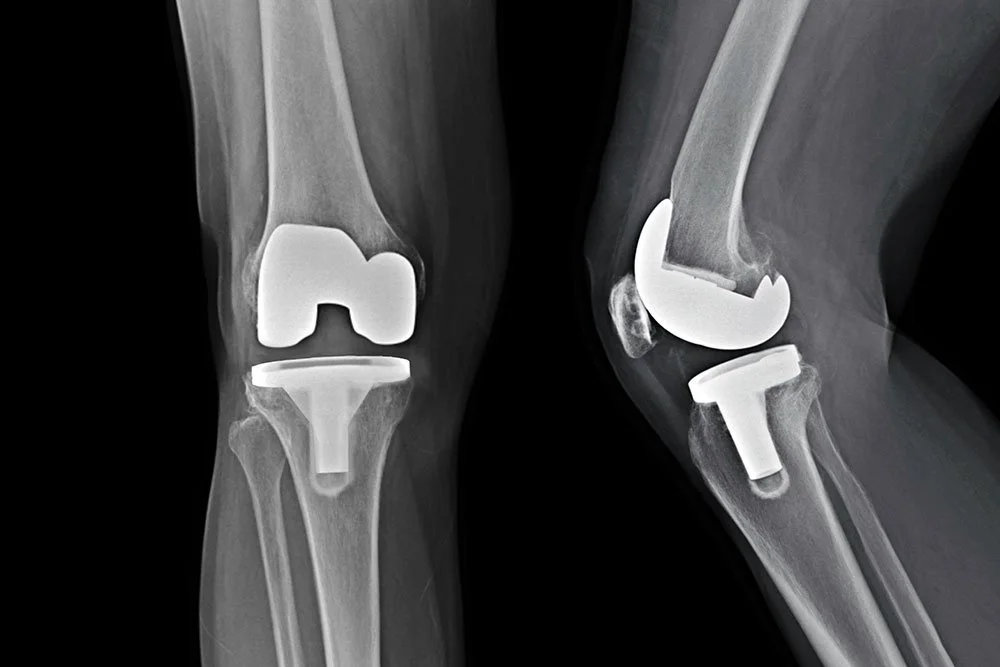
ROSA Knee vs. Traditional Knee Replacement: What Patients Should Know
Quick Takeaways
ROSA knee replacement uses advanced imaging and real-time data to assist surgeons with precision during surgery.
Knee replacement technology continues to evolve, giving surgeons more tools to personalize each procedure.
Robotic knee replacement surgery does not replace the surgeon. It enhances their ability to align and balance the joint.
The best approach depends on your anatomy, lifestyle goals, and overall health.

6 Questions to Ask Your Hip Replacement Surgeon
For many patients living with advanced arthritis, hip replacement becomes a life changing solution. But before moving forward, it is important to understand the procedure, recovery, and long term expectations.
Dr. Nathan Cafferky, an orthopedic surgeon specializing in joint replacement at The Steadman Clinic, encourages patients to come to their consultation prepared with questions. Understanding when to get hip replacement surgery, what recovery involves, and what life with a new hip will look like can help patients feel confident in their decision.
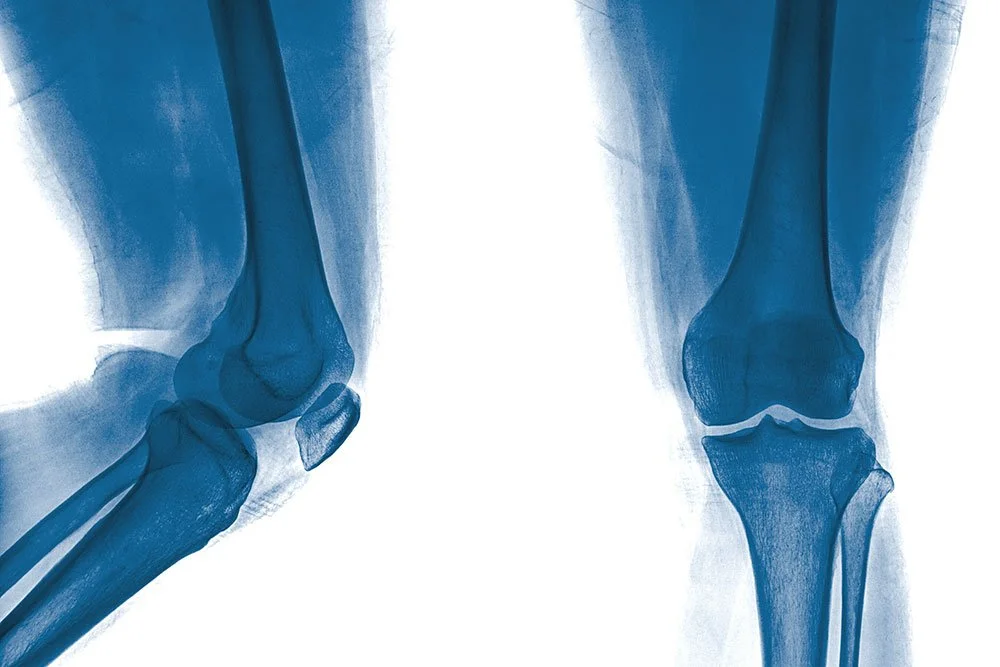
If Both Knees Need Replacing, What Comes First?
Bilateral knee arthritis presents a unique challenge. When only one knee is affected, the treatment path is usually straightforward. But when both joints are significantly worn down, patients face a more complex decision about timing and strategy for double knee replacement.
Should both knees be replaced at once, or should each joint be addressed separately?

How Knee Replacement Technology Has Evolved Over the Last Decade
Over the last ten years knee replacement technology has changed dramatically. What was once a mechanical procedure focused primarily on pain relief is now a highly personalized, technology driven solution designed to restore mobility, alignment, and long term performance.
Below Dr. Nathan Cafferky, board certified orthopedic surgeon and joint replacement specialist at The Steadman Clinic, explains how modern systems including Zimmer Biomet innovations are reshaping knee replacement for active patients in Eagle County and Summit County.

How Long Should You Try Injections Before Considering Joint Replacement Surgery
Joint pain from arthritis often starts gradually. For many patients the first step is non surgical treatment. Injections are one of the most common tools used to reduce inflammation and maintain function.
But how long should you continue injections before considering surgery?
Below, Dr. Nathan Cafferky, board certified orthopedic surgeon and joint replacement specialist at The Steadman Clinic, explains how to think about timing and when knee replacement after cortisone injections, or hip replacement after cortisone injections becomes the right next step.
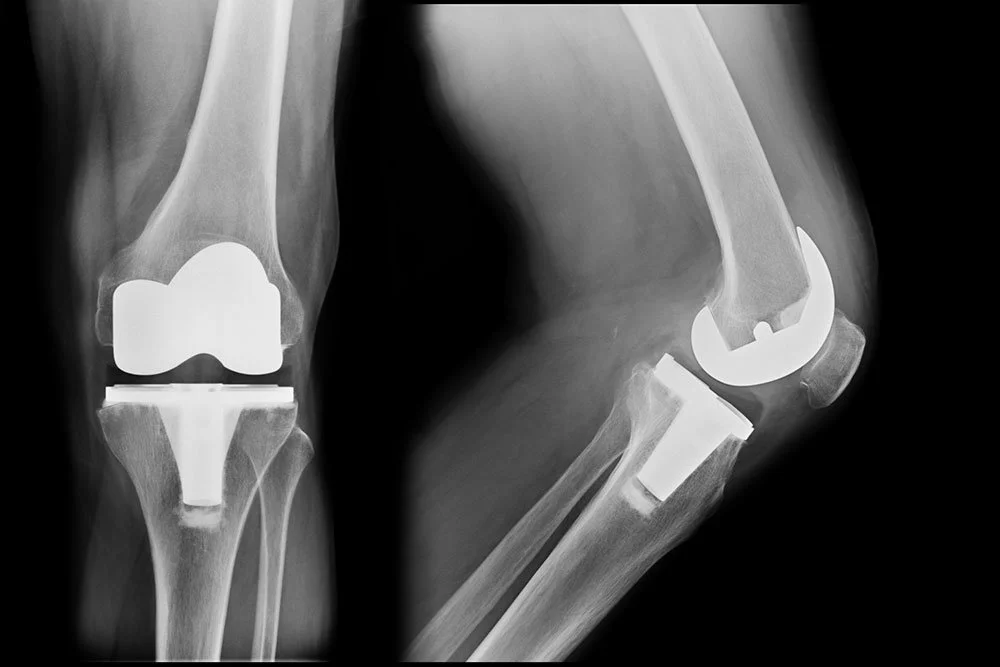
Cemented vs Cementless Joint Replacements What Patients Should Know
At a glance
Cemented and cementless implants are chosen based on bone quality anatomy and long term stability goals.
Understanding the difference between cemented and uncemented knee replacement helps patients feel confident in surgical decisions.
Both cemented knee replacement and cemented hip replacement techniques have excellent outcomes when properly selected.

Space Between Replacements What to Know If You Need Both Hips Replaced
A double hip replacement may be done at once or in stages depending on health lifestyle and recovery goals. If you need both hips replaced the timing between procedures can affect strength, mobility, and confidence during rehab. Understanding double hip replacement surgery time helps patients plan work activity and support at home.

Top 7 Travel Essentials for Hip Replacement Patients
Traveling after a hip replacement is absolutely possible, and for many patients, it becomes even more enjoyable once pain is no longer holding them back. Whether you’re flying across the country, heading to warmer weather, or visiting family, the right preparation makes all the difference. Packing a few key items can help you stay comfortable, protect your new hip, and enjoy smooth travel from start to finish.

Starting the New Year Strong: Long Term Benefits of Hip and Knee Replacements
A new year often inspires people to rethink their goals, reset their routines, and focus on the things that improve their health and happiness. For patients who have struggled with chronic joint pain, choosing a knee replacement or hip replacement can be one of the most meaningful steps toward reclaiming mobility and building strength for the years ahead. A new knee or new hip doesn’t just reduce pain it opens the door to a more active, confident, and fulfilling lifestyle.

5 Tips for a Smooth Return to Skiing After Hip Replacement Surgery
For many mountain athletes the ultimate goal after hip replacement surgery is getting back on the slopes. The good news is that with modern surgical techniques, advanced implant materials, and a thoughtful recovery plan most patients can return to skiing after hip replacement safely and confidently.
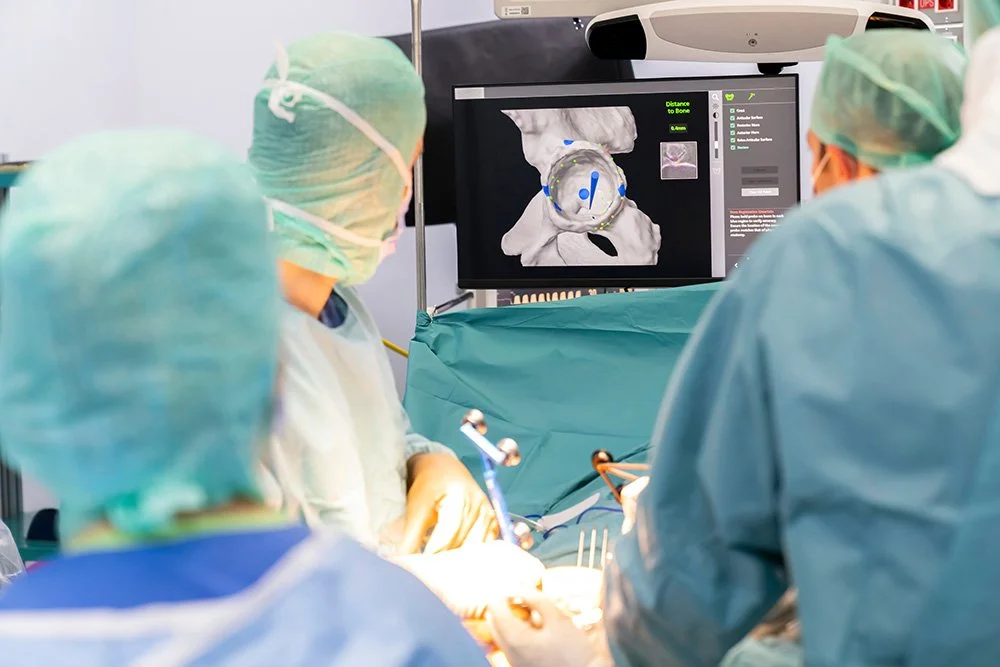
Anterior Hip Replacement vs. Traditional Hip Replacement: Which Is Right for You?
When it comes to what is the difference between posterior and anterior hip replacement, the main distinction lies in surgical access. In the posterior approach, the surgeon reaches the hip joint from the back of the hip, gently separating muscles to access the joint. In the anterior approach, the incision is made at the front of the hip, between natural muscle planes.
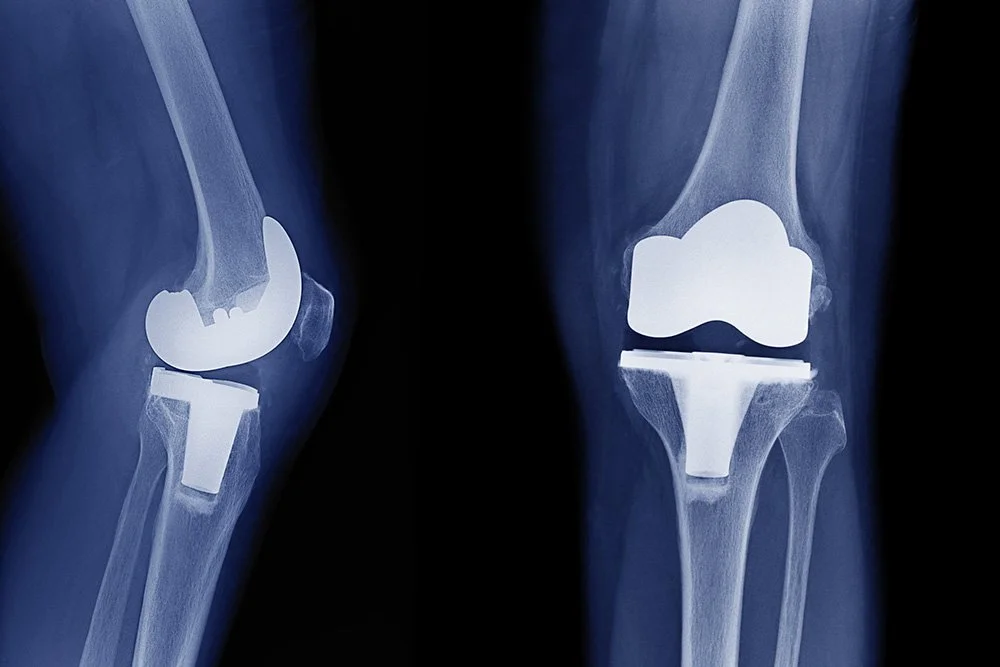
What Knee Replacement Material Lasts the Longest?
Modern implants use several types of knee replacement materials, including traditional metal-on-polyethylene (cobalt-chromium and plastic), metal-on-metal, and ceramic options. Today’s designs focus on reducing friction, resisting corrosion, and mimicking natural motion to improve comfort and longevity.
“These material differences play a major role in how implants perform over time,” says Dr. Cafferky, who specializes in advanced robotic-assisted total knee replacements.