Top 7 Travel Essentials for Hip Replacement Patients

A Guide with Dr. Nathan Cafferky
Traveling after a hip replacement is absolutely possible, and for many patients, it becomes even more enjoyable once pain is no longer holding them back. Whether you’re flying across the country, heading to warmer weather, or visiting family, the right preparation makes all the difference. Packing a few key items can help you stay comfortable, protect your new hip, and enjoy smooth travel from start to finish.
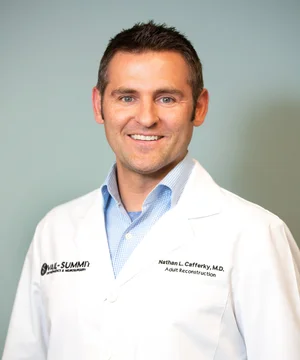
Below, Dr. Nathan Cafferky, board certified orthopedic surgeon and joint replacement expert at The Steadman Clinic in Frisco and Vail, Colorado, breaks down which travel essentials to bring and how each one helps support comfort and mobility.
Why Do Travel Essentials Matter After a Hip Replacement
Travel introduces long periods of sitting, unexpected delays, and lots of walking, all of which can place extra stress on a healing joint. Having the right tools ensures your new hip stays supported and comfortable throughout the journey.
“Preparation is key for any patient traveling after a hip replacement,” says Dr. Cafferky.
What Should I Include in My Carry On After a Hip Replacement
Your carry on is your most important tool when traveling with a healing joint. Keep anything essential within arm’s reach so you don’t have to twist, bend, or strain your new hip to access it during the trip.
Top 7 Travel Essentials for Hip Replacement Patients
1. Medication and Medication Schedule
Always bring your prescriptions with you, including pain medication, anti inflammatories, and blood thinners if they’re part of your post operative plan. Pack them in your carry on to ensure you have immediate access whenever needed.
Q: Why is this important?
“Consistency with medication significantly affects comfort, swelling, and mobility,” Dr. Cafferky explains. “Missing doses because they’re in a checked bag is easily avoidable.”
2. A Portable Ice Pack
Reusable, TSA friendly ice packs help reduce swelling and soreness during long travel days.
Q: When should I use it?
Apply it as needed during flights or layovers to keep your new hip from stiffening.
3. A Small Pillow or Lumbar Roll
Extra back or hip support can prevent discomfort caused by prolonged sitting.
Q: How does this help?
“A small pillow provides alignment support and decreases hip pressure,” says Dr. Cafferky. “It also helps maintain proper posture during a long flight.”
4. Compression Socks
These help promote circulation and reduce the risk of blood clots, a common concern after a hip replacement.
Q: Are they necessary for short flights?
“Even shorter flights can increase clot risk,” notes Dr. Cafferky. “Despite their simplicity, compression socks provide powerful support against swelling and clot risks.”
5. A Reacher or Grabber Tool
Airports and hotel rooms aren’t always designed for limited mobility. A reacher helps you pick up dropped items without bending past your post op precautions.
Q: Why bring this?
“Protecting proper movement habits is essential while your new hip continues to heal. A reacher eliminates unnecessary strain,” says Dr. Cafferky.
6. A Foldable Cane or Walking Aid (If Recommended)
Not everyone will need this, but early on, having a compact mobility aid can improve confidence and balance while navigating crowded spaces.
Q: Should I always travel with one?
“If you’re early in recovery or unsure how much walking you’ll do, it’s a smart addition,” Dr. Cafferky says.
7. A Copy of Your Surgical Information Card
This is especially helpful at airport security. Metal implants sometimes trigger detectors, and a card helps streamline the screening process.
Q: Will I still need to explain the implant?
“Sometimes, yes,” says Dr. Cafferky. “But having documentation can make the process smoother and faster.”
How Soon After Surgery Can I Travel
Travel timelines vary depending on your progress. Many patients can take short trips within a few weeks, while long flights are usually best delayed until cleared by your surgeon.
Your orthopedic team will help you determine the safest timeline for your unique recovery.
About Dr. Nathan Cafferky
Dr. Nathan Cafferky is a board certified orthopedic surgeon at The Steadman Clinic in Frisco and Vail, Colorado. His expertise includes state of the art hip replacement and knee replacement approaches, with minimally invasive options that promote smoother recovery and improved function. His goal is to help patients stay active, in their daily routines and in their travel adventures, long after receiving their new hip.
To learn more about traveling after a hip replacement or to schedule a consultation, contact Dr. Cafferky’s team today!