Cemented vs Cementless Joint Replacements What Patients Should Know
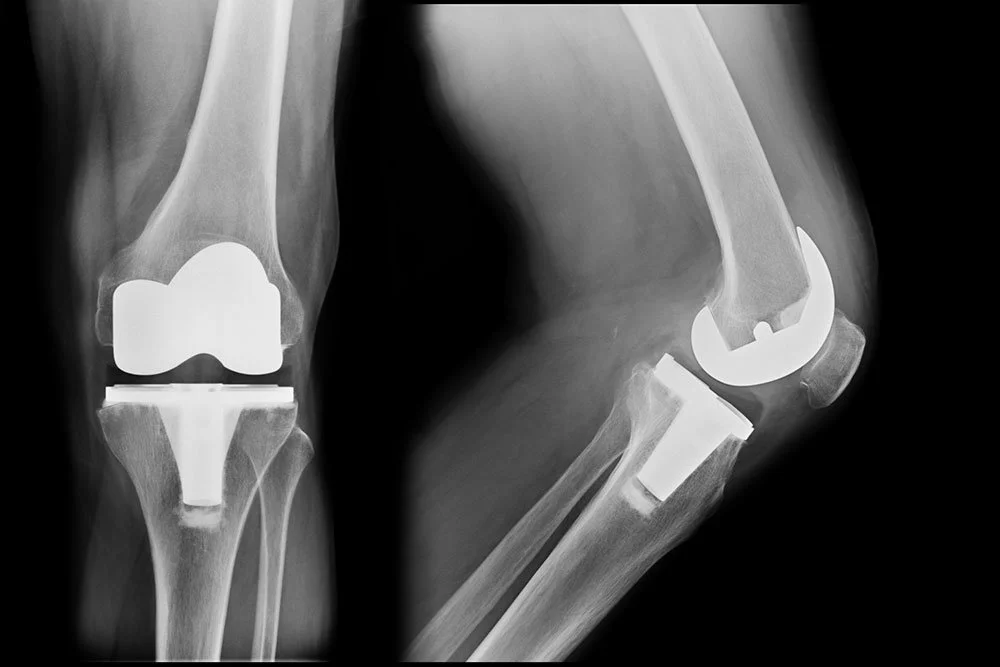
A Guide with Dr. Nathan Cafferky
At a glance
Cemented and cementless implants are chosen based on bone quality anatomy and long term stability goals.
Understanding the difference between cemented and uncemented knee replacement helps patients feel confident in surgical decisions.
Both cemented knee replacement and cemented hip replacement techniques have excellent outcomes when properly selected.
When patients are preparing for joint replacement surgery one of the most common questions is whether the implant will be cemented or cementless. While this detail may seem technical it plays an important role in how the implant achieves stability and long term success.
Below Dr. Nathan Cafferky board certified orthopedic surgeon and joint replacement specialist at The Steadman Clinic explains the key differences between cemented and cementless joint replacements and how surgeons decide which approach is best for each patient.
What Does Cemented Mean in Joint Replacement
In a cemented knee replacement or cemented hip replacement the implant is secured to the bone using a medical grade bone cement. This cement acts as a grout filling small spaces between the implant and bone to create immediate fixation.
Cemented fixation has been used successfully for decades and remains a reliable option especially in patients with softer bone or conditions that affect bone density.
Benefits of cemented fixation include:
Immediate implant stability
Predictable fixation in weaker bone
Excellent long term outcomes in appropriate patients
For many individuals a cemented knee replacement provides immediate confidence during early recovery because the implant is stable from day one.
What Is Cementless Joint Replacement
Cementless implants are designed to allow the patient’s own bone to grow into the surface of the implant over time. These implants have specialized coatings that encourage bone integration.
Rather than relying on cement, initial stability comes from precise implant fit while long term fixation develops biologically as bone heals and grows.
Understanding the difference between cemented and uncemented knee replacement is important because cementless fixation relies more heavily on bone quality and healing capacity.
How Surgeons Decide Between Cemented and Cementless
There is no one size fits all answer. Dr. Cafferky evaluates several factors when choosing between cemented and cementless fixation including:
Bone density and bone quality
Age and activity level
Anatomy and joint alignment
Prior surgeries or deformities
Long term durability goals
Some patients benefit most from a cemented hip replacement while others are excellent candidates for cementless fixation. In some cases, a hybrid approach may be used depending on the joint and individual anatomy.
Does One Option Last Longer Than the Other
Both cemented and cementless implants have strong long term track records when used appropriately. Implant longevity depends more on alignment balance and surgical precision than on fixation method alone.
The difference between cemented and uncemented knee replacement is not about which one is better overall, but which one is better for a specific patient.
When a cemented knee replacement is chosen carefully it can provide decades of reliable function. Likewise, modern cementless designs have shown excellent durability in patients with strong healthy bones.
Is Cemented or Cementless Right for You
The right choice depends on your anatomy, health and goals, not a trend or a single technique. Dr. Cafferky works closely with each patient to determine which approach offers the safest most durable outcome.
Understanding the difference between cemented and uncemented knee replacement helps patients feel informed and engaged in the decision making process.
About Dr. Nathan Cafferky
Dr. Nathan Cafferky is a board certified orthopedic surgeon and joint replacement specialist at The Steadman Clinic in Frisco and Vail, Colorado. He is nationally recognized for his expertise in hip and knee replacement surgery with a focus on precision durability and personalized outcomes for active patients.
To learn more about joint replacement options including cemented and cementless fixation, contact Dr. Cafferky’s team today.