Partial vs. Total Hip Replacement: Key Differences Patients Often Miss
A Guide with Dr. Nathan Cafferky
Quick Takeaways
A partial hip replacement replaces only part of the hip joint, while a total hip replacement replaces both the ball and socket.
Partial hip replacement is most commonly used for certain hip fractures.
Total hip replacement is often recommended for patients with arthritis or widespread joint damage.
Choosing the right procedure depends on the cause of hip pain, age, activity level, and overall joint health.
Understanding the differences can help patients make more informed treatment decisions.
When patients first learn they may need hip surgery, one of the most common questions they ask is whether they need a partial hip replacement or a total hip replacement.
While both procedures can relieve pain and restore mobility, they are designed to address different conditions. Many patients assume the surgeries are nearly identical, but there are important differences that can affect recovery, long-term outcomes, and overall function.
According to Dr. Nathan Cafferky, a joint replacement specialist at The Steadman Clinic, understanding the reason behind surgery is often the key factor in determining the best approach.
"As surgeons, we evaluate the entire hip joint, not just where the pain is occurring," explains Dr. Cafferky. "The goal is to choose the procedure that provides the most reliable long-term outcome for each patient."
What Is a Partial Hip Replacement?
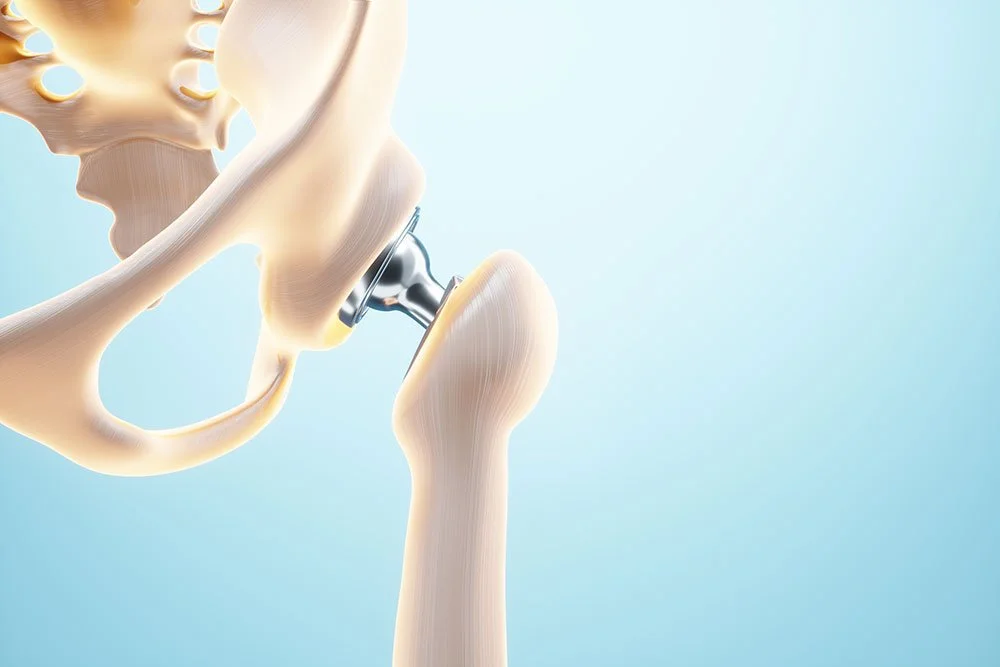
A partial hip replacement involves replacing only the femoral head, which is the ball portion of the hip joint. The natural socket remains intact.
This procedure is most commonly performed after certain types of hip fractures, particularly in older adults whose socket cartilage remains healthy.
In many cases, a partial hip replacement can effectively restore mobility while minimizing the amount of surgery required. However, it is typically not the preferred option for patients with significant arthritis affecting both sides of the joint.
What Is a Total Hip Replacement?
A total hip replacement replaces both the femoral head and the hip socket with artificial components.
Patients suffering from advanced osteoarthritis, rheumatoid arthritis, or severe joint degeneration are often better candidates for a total hip replacement because damage usually exists throughout the entire joint.
During surgery, the damaged bone and cartilage are removed and replaced with prosthetic components designed to function as a new hip. Modern implants are highly durable and allow many patients to return to active lifestyles after recovery.
Which Procedure Is Right for You?
The answer depends largely on why the hip is damaged.
Patients with isolated hip fractures may benefit from a partial hip replacement if the socket remains healthy. However, patients with arthritis typically achieve better long-term results with a total hip replacement because both sides of the joint are affected.
Factors your surgeon will consider include:
The condition of the hip socket
Severity of arthritis
Age and activity level
Bone quality
Overall health and lifestyle goals
Many patients searching online for the best hip orthopedic surgeon near me are surprised to learn that the recommendation is based on much more than imaging alone. A thorough evaluation helps determine which procedure will provide the greatest long-term benefit.
Recovery and Long-Term Outcomes
Recovery timelines for both procedures are often similar, with most patients beginning to walk shortly after surgery and participating in physical therapy during rehabilitation.
Patients who receive a new hip frequently experience substantial improvements in pain relief, mobility, and function. Advances in surgical techniques, implant technology, and rehabilitation protocols continue to improve outcomes for both procedures.
The most important factor is ensuring the operation matches the underlying condition.
If you are researching treatment options or looking for the best hip orthopedic surgeon near me, discussing your goals and expectations with an experienced joint replacement specialist is an important first step.
When Should You See a Hip Specialist?
Persistent hip pain is not something patients should simply accept as part of aging.
If hip pain is limiting your ability to walk, exercise, sleep, or enjoy daily activities, an evaluation can help determine whether conservative treatment or surgical intervention is appropriate.
Many individuals searching for the best hip orthopedic surgeon near me are ultimately relieved to learn that effective solutions exist. Whether a patient needs a new hip through total replacement or another treatment approach entirely, early evaluation often leads to better outcomes and a faster return to the activities they enjoy.
About Dr. Nathan Cafferky
Dr. Nathan Cafferky is a board-certified orthopedic surgeon and joint replacement specialist at The Steadman Clinic, with offices in Vail and Frisco. His practice focuses on advanced hip and knee replacement procedures designed to help patients regain mobility, reduce pain, and return to active lifestyles.