Can Pilates Improve Joint Replacement Longevity?
A Guide with Dr. Nathan Cafferky
Quick Takeaways
Pilates can help improve strength, balance, flexibility, and movement control after joint replacement.
Low-impact exercise may help patients stay active while limiting unnecessary stress on a new hip or knee.
Pilates should be introduced gradually and modified based on your surgery, recovery, and individual mobility.
Staying strong and maintaining a healthy, active lifestyle can support the long-term success of a joint replacement.
A successful hip or knee replacement isn't just about the surgery itself. What you do afterward can play an important role in how well you move, how strong you remain, and how confidently you return to the activities you enjoy.
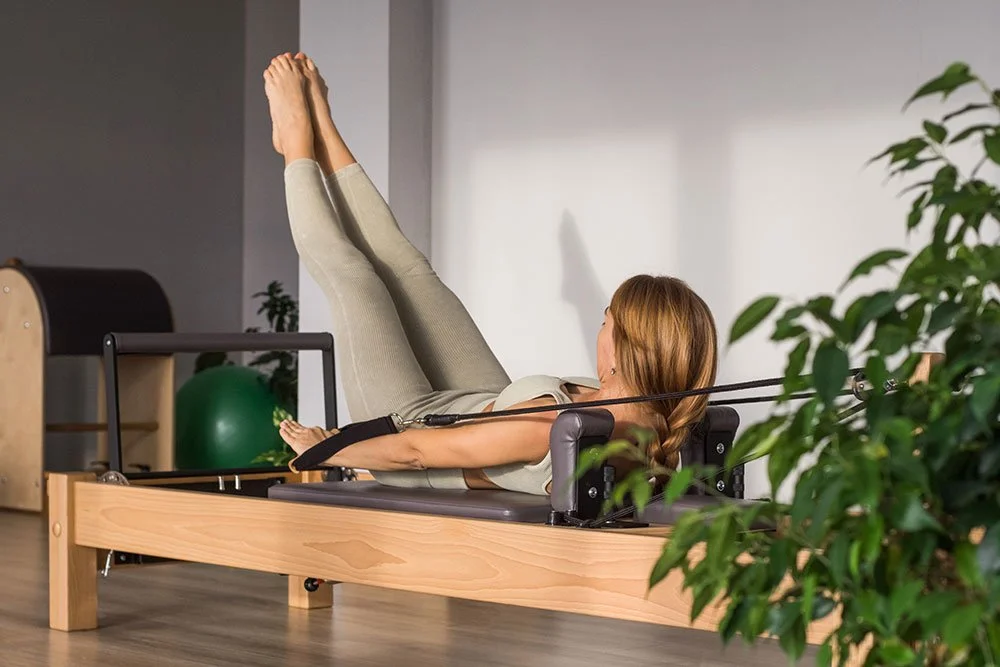
Pilates is one low-impact exercise option that can complement an active lifestyle following joint replacement. For the right patient, Pilates after knee replacement or Pilates after hip replacement can help build strength and improve movement without the repetitive impact associated with activities like running and jumping.
Why Strength Matters After Joint Replacement
Hip and knee replacements are designed to withstand the demands of everyday life, but the muscles surrounding the joint still play an important role in how efficiently you move.
Strong glutes, quadriceps, hamstrings, and core muscles can improve stability and help support healthy movement patterns. Pilates places a significant emphasis on controlled movement and core strength, making it a useful option for some patients after they have completed the initial stages of rehabilitation.
When beginning Pilates after knee replacement, exercises may need to be modified to accommodate kneeling, deep knee bending, or limited range of motion. The goal is not to force flexibility but to gradually improve strength and control within a comfortable range.
What About Pilates After Hip Surgery?
Hip replacement patients may also benefit from Pilates, particularly because many exercises focus on the core, pelvis, and muscles surrounding the hip.
However, not every Pilates movement is appropriate immediately following surgery. Certain positions may place the hip into ranges of motion that should initially be avoided depending on the surgical approach and stage of recovery.
Before beginning Pilates after hip replacement, patients should make sure they have been cleared by their surgeon or physical therapist. An experienced instructor can then modify exercises around any remaining precautions.
Can Pilates Make a Joint Replacement Last Longer?
There isn't one specific exercise that can guarantee an implant will last longer. Joint replacement longevity depends on several factors, including implant positioning, activity level, body weight, bone quality, overall health, and the type of implant used.
What Pilates can do is help support some of the factors that contribute to healthy movement over time.
Improved strength, balance, and body awareness may help patients move more efficiently and remain physically active. Low-impact exercise can also provide a way to maintain fitness without repeatedly exposing the joint to high-impact forces.
For patients interested in Pilates after knee replacement, the long-term benefit may be less about the Pilates itself and more about maintaining the strength and mobility necessary for an active lifestyle.
When Can I Start Pilates After Joint Replacement?
There is no universal timeline.
Early recovery should focus on the rehabilitation program prescribed by your surgical and physical therapy team. As healing progresses, Pilates may be incorporated as an additional form of strength and mobility training.
Patients considering Pilates after hip replacement should also remember that recovery timelines vary. Someone who had surgery several months ago and has regained good strength and mobility may require very different modifications than someone who recently completed formal physical therapy.
If you're searching for a joint replacement surgeon near me because you're considering surgery, ask about more than the operation itself. Discuss rehabilitation, exercise, and what activities you hope to return to afterward. Those goals can help guide your entire treatment plan.
About Dr. Nathan Cafferky
Dr. Nathan Cafferky is a board-certified orthopedic surgeon and joint replacement specialist at The Steadman Clinic with offices in Vail and Frisco. He specializes in primary and revision hip and knee replacement and helps patients develop treatment plans designed around their anatomy, lifestyle, and long-term goals.
For patients searching for a joint replacement surgeon near me in the Vail Valley or Summit County, Dr. Cafferky provides comprehensive care from initial evaluation and surgical planning through recovery and return to an active lifestyle. Contact his team today!