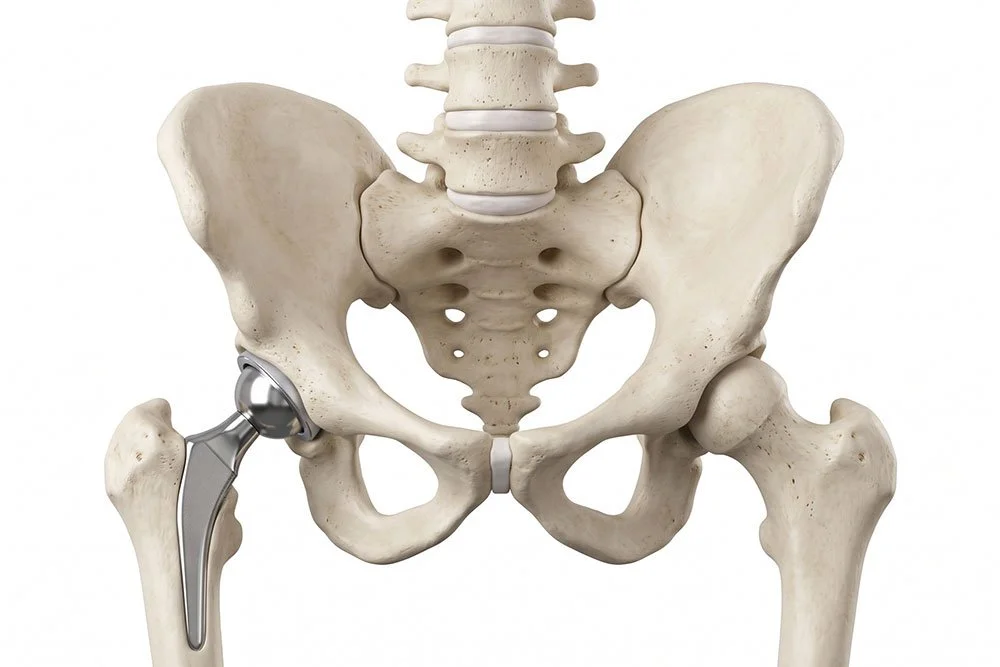
A Guide with Dr. Nathan Cafferky
Quick Takeaways
A bikini incision follows the natural crease near the front of the hip rather than running vertically along the thigh.
The technique can offer a less noticeable scar for appropriately selected patients.
The anterior approach allows surgeons to access the hip through natural spaces between muscles.
Advanced surgical techniques focus on restoring mobility while minimizing unnecessary tissue disruption.
Incision placement, anatomy, and overall health all influence whether this approach is appropriate.
While hip replacement has long been an effective treatment for advanced arthritis, surgical techniques continue to evolve. One option gaining attention is the bikini incision for hip replacement, which uses a different incision orientation along the front of the hip.
Dr. Nathan Cafferky focuses on advanced joint replacement techniques designed to help patients regain movement and maintain active lifestyles. For appropriate candidates, a bikini cut anterior hip replacement may offer an alternative incision placement while preserving the benefits of anterior hip surgery.
What Is a Bikini Incision for Hip Replacement?
The term "bikini incision" refers to the location and direction of the surgical incision rather than a different type of hip implant.
During traditional direct anterior hip replacement, surgeons commonly make an incision that runs along the front of the upper thigh. With a bikini incision for hip replacement, the incision is positioned more horizontally, following the natural skin crease near the front of the hip.
This placement may allow the resulting scar to blend more naturally with the body's contours. The underlying procedure remains an anterior hip replacement, meaning the surgeon accesses the joint through an approach that works between muscles.
Why Does Incision Placement Matter?
For many patients, the primary goal of hip replacement is improved function and reduced pain. However, the appearance and location of the surgical scar can also influence their experience.
A bikini cut anterior hip replacement may offer several potential advantages:
A scar positioned within a natural skin crease.
Less visible scarring for some patients once healing is complete.
Access to the hip through an established anterior surgical approach.
Preservation of important surrounding muscle structures.
Although scar appearance can be an appealing consideration, the safest surgical exposure and proper implant positioning remain the priorities.
How Does Muscle Preservation Support Recovery?
The muscles surrounding the hip contribute to walking, balance, climbing stairs, and recreational movement.
With a muscle-sparing hip replacement, the surgeon works through natural tissue intervals to reach the joint while limiting disruption to major muscle attachments.
For adults who enjoy hiking, skiing, golf, or other physical activities, protecting these structures may support early mobility and rehabilitation.
However, muscle-sparing hip replacement does not eliminate postoperative soreness or the need for recovery. Healing still involves the skin, deeper tissues, and bone surrounding the new implant.
The goal is to create an effective surgical pathway while helping patients regain strength and confidence as they recover.
Is a Bikini Incision Right for Everyone?
Although the bikini cut anterior hip replacement can be an option for certain patients, incision selection depends on more than cosmetic preferences.
Dr. Cafferky evaluates several factors when determining the most appropriate surgical technique, including:
Hip anatomy and the severity of joint damage.
Skin quality and the location of natural hip creases.
Body composition and soft tissue distribution.
Previous hip procedures or existing scars.
Overall health, mobility, and surgical considerations.
For some patients, a conventional anterior incision may provide better access or a safer surgical pathway.
An individualized evaluation helps determine which technique offers the best balance of surgical visibility, tissue preservation, and long-term joint function.
About Dr. Nathan Cafferky
Dr. Nathan Cafferky is a board-certified orthopedic surgeon and joint replacement specialist at The Steadman Clinic, with offices in Vail and Frisco, Colorado. With extensive experience treating athletes and active adults, he specializes in advanced hip and knee replacement procedures, including anterior hip replacement, robotic and technology-guided joint replacement, and outpatient total joint surgery. His focus is on helping patients reduce pain, restore mobility, and maintain active lifestyles at every age.