5 Tips for a Smooth Return to Skiing After Hip Replacement Surgery
A Guide with Dr. Nathan Cafferky
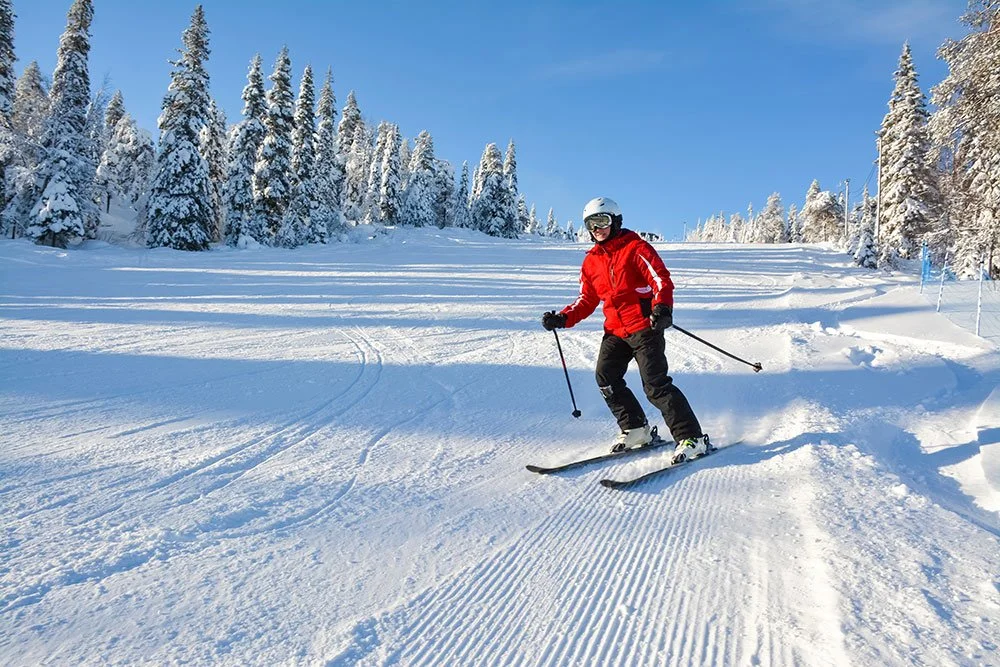
For many mountain athletes the ultimate goal after hip replacement surgery is getting back on the slopes. The good news is that with modern surgical techniques, advanced implant materials, and a thoughtful recovery plan most patients can return to skiing after hip replacement safely and confidently.
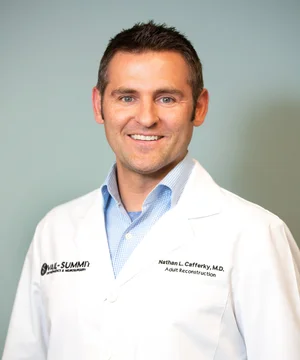
Below Dr. Nathan Cafferky board certified orthopedic surgeon and joint replacement specialist at The Steadman Clinic in Frisco and Vail Colorado shares his top recommendations for a strong return to the mountain. These tips are designed to help patients enjoy skiing after hip replacement skiing with new hip and new hip skiing with power stability and peace of mind.
When Can You Start Skiing After Hip Replacement
While timelines vary many patients can return to skiing after hip replacement within three to six months depending on their conditioning and recovery. Your hip surgeon will evaluate your gait strength and range of motion before clearing you for skiing with new hip activities.
“Every patient is different but most can safely return to skiing when their strength and stability have fully returned” says Dr. Cafferky. “The most important factor is preparing the body so the new hip performs well under mountain demands.”
This careful approach supports safer skiing after hip replacement and reduces the risk of falls or imbalance.
Tip 1: Rebuild Strength Before You Ski
Strength is the foundation of successful new hip skiing. Focus on:
Glute and hip stabilizer exercises
Core strengthening
Balance training
Lower body endurance work
These muscles protect your hip and help control your skis on variable terrain. Patients who invest in strength training often experience smoother skiing with new hip movement and better control on steep groomers and bumps.
Tip 2: Practice Balance and Mobility
Balance is essential for skiing after hip replacement especially during turns stops and uneven snow conditions. Your physical therapist may recommend exercises like:
Single leg balance
Lateral step downs
Dynamic balance drills
Hip mobility stretches
Improving balance supports safer skiing with new hip movements and helps you stay centered over your skis during carving and transitions.
Tip 3: Start Slow and Progress Gradually
Even if you were an expert skier before surgery your first days back should be gentle and controlled. Begin with:
Green or easy blue runs
Smooth groomers
Short sessions rather than full days
According to Dr. Cafferky “The early days back on snow are about confidence not speed. Give your body time to adjust and the new hip time to adapt.”
This slow progression ensures that skiing after hip replacement becomes comfortable, predictable, and enjoyable.
Tip 4: Consider a Professional Ski Conditioning Program
Many mountain physical therapy programs offer sport specific training designed to restore strength, agility, and performance. These plans help bridge the gap between physical therapy and real on-snow skiing.
A structured program supports new hip skiing by sharpening:
Reaction time
Movement efficiency
Power in turns
Endurance for full ski days
This extra preparation allows for a smoother transition to skiing with new hip confidence.
Tip 5: Choose the Right Equipment and Ski Smart
Modern gear can make skiing after hip replacement much easier. Consider:
Boots with adjustable flex
Skis with a stable rocker profile
Bindings set with safe and appropriate DIN settings
Also be mindful of your skiing habits:
Avoid icy conditions during early return
Know when to rest
Stop immediately if you feel pain
Equipment that supports stability can make a meaningful difference in skiing with new hip safety and enjoyment.
About Dr Nathan Cafferky
Dr. Nathan Cafferky is a board certified orthopedic surgeon and joint replacement specialist at The Steadman Clinic in Frisco and Vail, Colorado. He is nationally recognized for his expertise in hip and knee replacement using advanced surgical approaches and robotic assisted techniques. His goal is to help patients return to the mountain lifestyle they love including confident safe skiing with new hip strength.
To learn more about your path back to skiing after hip replacement contact Dr. Cafferky’s team today.